
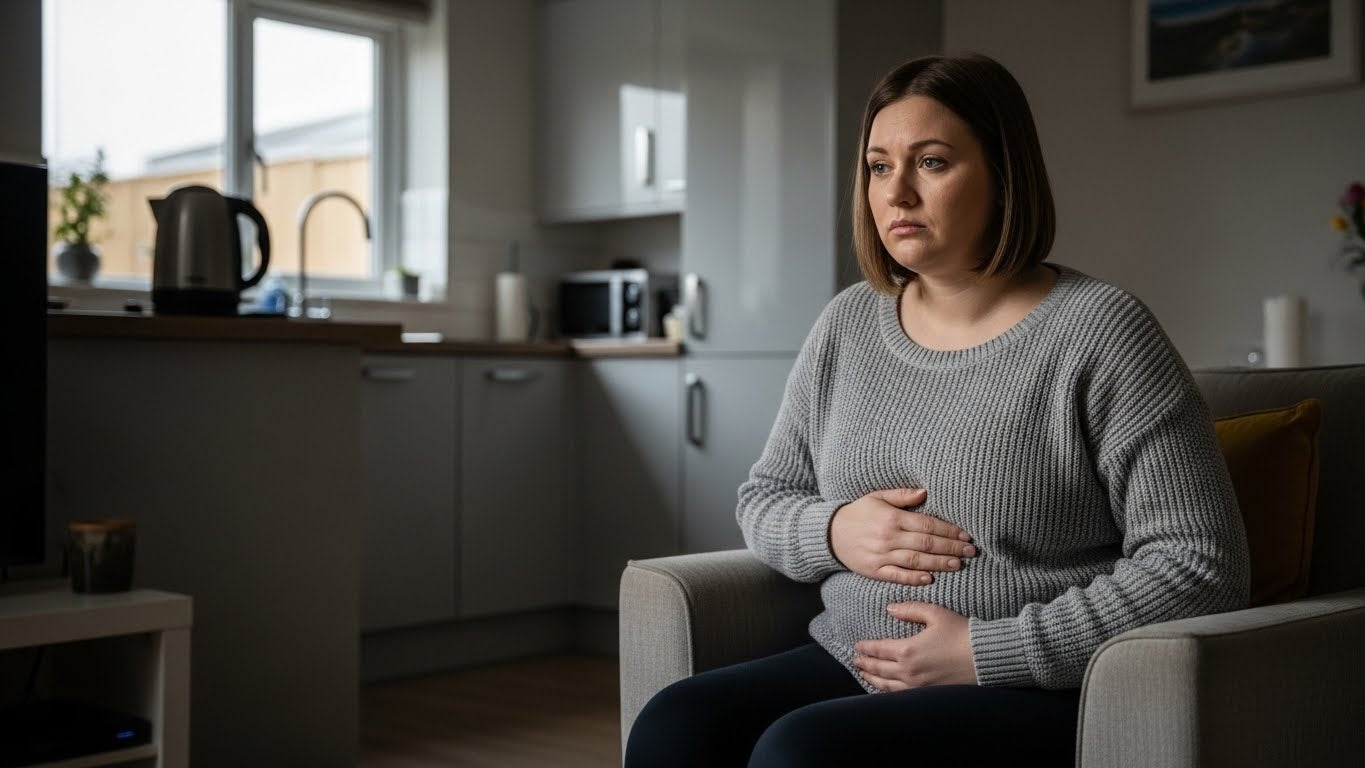
For many women in the UK, perimenopause arrives quietly. There’s no clear starting line, no official announcement from your body — just small changes that creep in and slowly begin to affect everyday life. One day you’re forgetting words mid-sentence, another you’re lying awake at 3am wondering why your mind won’t switch off. Most women brush it off as stress, ageing, or “just being busy”.
But growing research shows these early changes are often perimenopause, and many women experience symptoms years before their periods actually stop.
In 2026, menopause awareness in the UK has improved — yet perimenopause remains one of the most misunderstood stages of women’s health, particularly for those aged 35 to 45. Understanding the early signs can make a huge difference to quality of life, confidence, and long-term wellbeing.
What Exactly Is Perimenopause?
Perimenopause is the transition phase before menopause, when hormone levels — particularly oestrogen and progesterone — begin to fluctuate rather than steadily decline. This stage can last anywhere from a few years to over a decade.
While the average age of menopause in the UK is around 51, perimenopause can begin in your late 30s or early 40s, sometimes even earlier. Importantly, many women still have regular periods during early perimenopause, which is why symptoms are so often missed or misdiagnosed.
Perimenopause isn’t just about hot flushes. In fact, many women won’t experience those until much later — if at all. Instead, the earliest signs often affect mood, sleep, mental clarity, and body composition.

The Early Symptoms Many Women Ignore
One of the reasons perimenopause is overlooked is because the symptoms don’t feel “hormonal” at first. They feel like life.
-
Brain Fog and Cognitive Changes
Brain Fog is one of the most common complaints. Women describe forgetting appointments, struggling to concentrate at work, losing their train of thought, or feeling mentally slower than usual. This can be frightening — especially for women juggling careers, children, and caring responsibilities. It’s easy to blame exhaustion, but fluctuating oestrogen plays a key role in memory and cognitive function.
2. Anxiety, Mood Swings, and Emotional Shifts
Anxiety and mood changes are another early sign. Many women who’ve never experienced anxiety before suddenly feel on edge, overwhelmed, or emotionally sensitive. Others notice increased irritability or low mood without an obvious reason. UK research shows women in perimenopause have a significantly higher risk of depressive symptoms — yet these emotional changes are still too often treated in isolation rather than linked to hormones.
3. Sleep Disturbances
Sleep problems are also common. Difficulty falling asleep, waking during the night, vivid dreams, or early-morning waking can all appear long before classic menopausal symptoms. Poor sleep then feeds into fatigue, low mood, and brain fog — creating a cycle that’s hard to break.
4. Weight Gain and Changes in Body Composition
Weight gain, particularly around the middle, is another frustrating change. Many women notice their usual diet and exercise routine no longer works. This isn’t about willpower. Hormonal shifts affect metabolism, insulin sensitivity, and fat distribution, making weight management more challenging during perimenopause.
Individually, these symptoms don’t always raise alarm bells. Together, they can quietly chip away at confidence and wellbeing.
Why So Many Women Don’t Realise It’s Perimenopause
Despite increased menopause awareness in the UK, perimenopause remains poorly understood. Many women still believe menopause starts when periods stop — not realising the hormonal transition can begin years earlier.
Healthcare conversations can also be challenging. Women often report being told their symptoms are stress-related, mental health-related, or simply part of ageing. Without obvious menstrual changes or hot flushes, perimenopause isn’t always considered.
This lack of recognition leads many women to struggle in silence — pushing through symptoms rather than seeking support.

When It’s Time to Speak to Your GP
If symptoms persist, worsen, or start affecting daily life, it’s worth having a conversation with your GP or a menopause-trained clinician.
You don’t need to wait for periods to stop. Signs it’s time to seek support include:
-
Ongoing anxiety or low mood
-
Sleep disruption that affects daytime functioning
-
Brain fog impacting work or confidence
-
Sudden changes in weight or energy
-
Feeling “not yourself” for months at a time
A GP can help rule out other causes (such as thyroid issues) and discuss management options — which may include lifestyle changes, psychological support, supplements, or hormone-based treatments depending on individual needs.
Supporting Perimenopause Naturally: What Helps Many Women
There is no one-size-fits-all approach to perimenopause. However, many UK women find relief by combining medical advice with supportive lifestyle and nutritional strategies.
Simple changes such as prioritising sleep, managing stress, eating a balanced diet, and staying active can make a noticeable difference. Increasingly, women are also looking for natural menopause support supplements to help manage daily symptoms gently and consistently.
This is where a well-formulated menopause supplement can play a supportive role.

A Trusted Option: Menopause Support by Viking Remedies
For women seeking a natural, UK-available solution, Menopause Support by Viking Remedies has become a popular choice.
This supplement is designed specifically to support women through perimenopause and menopause by targeting common concerns such as:
-
Mood balance and emotional wellbeing
-
Hormonal support
-
Energy levels and fatigue
-
Sleep quality
-
Overall daily resilience
What many women appreciate is that it’s formulated with carefully selected ingredients, produced to high UK standards, and easy to include in a daily routine. Rather than masking symptoms, it’s designed to support the body during hormonal transition.
As one of the best menopause supplements available online in the UK, Viking Remedies offers a practical option for women who want additional support alongside lifestyle changes and professional advice.
Share:
Vegan Collagen vs. Animal Collagen | Which Is Better For Skin & Health?
How to Choose the Best Liquid Multivitamin for Men